
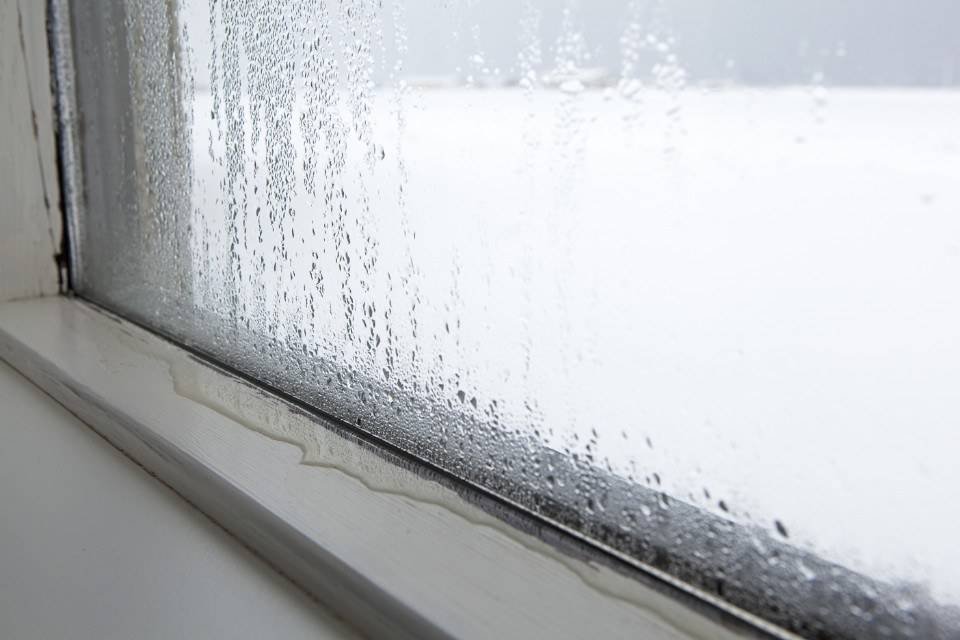
Excess moisture in your garage can lead to rusted tools, mold growth, and long-term structural damage. Understanding what causes garage humidity—and how to eliminate it—is the best way to safeguard your space and protect your home’s foundation.
Whether you are dealing with freezing winter drafts or muggy summer humidity, here is everything you need to know about stopping garage condensation in its tracks.
Primary Causes of Moisture and Condensation in Garages
Condensation forms when warm, humid air comes into contact with cold surfaces, such as concrete floors, exposed walls, or metal doors. Several factors accelerate this process:
-
Seasonal Climate Shifts: Low winter temperatures followed by rapid spring warming create ideal conditions for surface sweat on floors and walls.
-
Vehicles Tracking in Water: Rain, slush, and melting snow brought in by parked cars release gallons of water vapor into the air as they dry.
-
Inadequate Ventilation: Stagnant air traps ambient moisture, preventing damp spots from drying out naturally.
-
Unvented Appliances: Running fridges, freezers, or unvented heaters in an non-climate-controlled space releases elevated levels of water vapor.
-
Poor Exterior Drainage: Clogged gutters, misdirected downspouts, or cracked foundation walls allow groundwater to seep inside.
9 Practical Ways to Eliminate Garage Humidity
1. Maintain a Consistent Climate
Installing an efficient garage heater keeps interior temperatures above the dew point during colder months. Note: Avoid unvented propane or kerosene heaters, as burning fuel creates substantial amounts of atmospheric moisture. Opt for electric or direct-vent gas units instead.
2. Install a Quality Vapor Barrier
A properly installed wall vapor barrier—or insulation with an integrated moisture retarder—prevents outdoor ground moisture from migrating into your living space. Keep vapor barriers off garage ceilings, as installing them overhead can trap escaping moisture inside the rafters.
3. Wipe Down Wet Vehicles
After driving through heavy rain or snow, take two minutes to towel down your car’s exterior and shake off slush from the wheel wells before closing the garage door. Removing standing water at the source significantly lowers relative indoor humidity.
4. Upgrade Airflow and Ventilation
Installing wall louvers, soffit vents, or roof turbine vents encourages natural cross-ventilation. Proper airflow balances indoor and outdoor humidity levels. Be sure to clean vent grilles periodically to prevent dust buildup from choking air circulation.
5. Inspect Exterior and Interior Drainage
Ensure your garage floor drains remain clear of dirt, leaves, and debris. Outdoors, keep eavestroughs, gutters, and downspouts clear so roof runoff flows safely away from your garage’s perimeter foundation.
6. Seal Concrete with a Polyaspartic Floor Coating
Unsealed concrete acts like a sponge, drawing groundwater up from beneath the slab. Applying a commercial-grade polyaspartic coating creates an impenetrable moisture barrier, shields the foundation from chemical spills, and provides slip-resistant traction on damp days.
7. Run a Dedicated Dehumidifier
For persistent dampness, set up a heavy-duty garage dehumidifier. Look for models equipped with a continuous-drain hose option so you don’t have to manually empty the reservoir collection bucket daily.
8. Relocate Secondary Refrigerators or Freezers
Old fridges and deep freezers struggle to maintain internal temperatures in non-conditioned spaces. As ambient temperatures swing, overflow drip pans quickly fill up and evaporate into the room, raising overall moisture levels.
9. Clear Floor Clutter to Restore Air Circulation
Boxes, sports gear, and clutter stacked directly on concrete trap pockets of stagnant, humid air underneath. Moving items off the ground and utilizing wall-mounted slatwall panels or overhead racks keeps air moving freely across the entire floor surface.
Keep Your Garage Dry Year-Round
Addressing garage condensation requires a two-part strategy: stopping external water from entering and maintaining active air circulation inside. By combining floor sealing, proper drainage, and moisture control, you can create a clean, dry, and durable garage space that lasts.